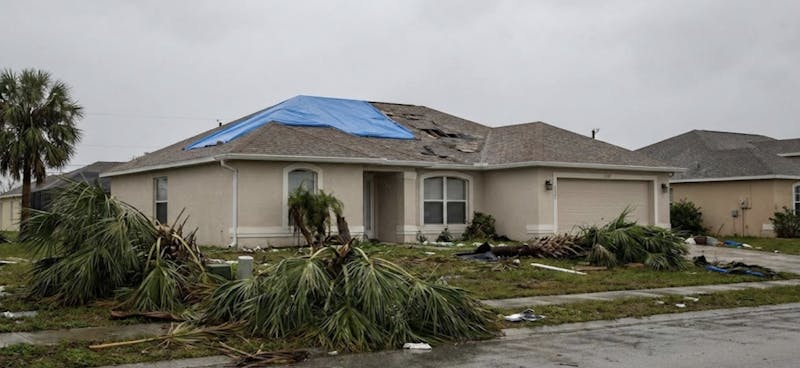
When a hurricane hits Florida, the damage can be stressful, scary, and confusing. But what many homeowners do not know is this: insurance companies can deny your claim if you report the damage too late. This issue became clear in a major 2025 Florida case, Morales v. Citizens.
This case is a warning to every homeowner in Florida. If you wait too long to report hurricane damage, even if you didn’t notice it right away, your insurance company may say your claim is “prejudicially late” and deny it completely.
In this blog, we break down what happened, why the court ruled the way it did, and what you must do to protect your rights in 2026 and beyond.
What Happened to Morales v. Citizens? (A Look at Citizen Property Insurance)
In the Morales case, the homeowners said their property was damaged by a hurricane. But they waited a long time to report the damage to Citizens Property Insurance. When Citizens looked at the claim, they said:
- The claim was reported too late
- The late notice hurt their ability to investigate the damage
- The homeowners did not prove that the hurricane caused the loss
The case went to court. The Third District Court of Appeal agreed with Citizens. The judges said that because the claim was so late, Citizens could deny it. According to the court, late reporting creates a “presumption of prejudice,” meaning the insurance company is assumed to be harmed because they can’t see the damage in time to investigate it properly.
This ruling shocked many Florida homeowners, but it also sent a strong message:
If you wait too long to report hurricane damage, your claim may be denied, even if the damage is real.
Why Prompt Notice Matters in Property Insurance (Understanding Deadlines)
Every property insurance policy includes a prompt notice requirement. This rule says you must tell your insurance company about a loss “promptly,” “immediately,” or “as soon as possible.”
Florida courts give insurance companies a lot of protection when notice is late. If your report is delayed:
- The insurer assumes you made it impossible for them to investigate
- The burden switches to YOU to prove your late notice did not harm them
- And proving that is extremely difficult
The lesson?
Always report suspected storm damage right away, even if you’re not 100% sure.
Red Flags After a Hurricane: When You Should NOT Wait
Many homeowners don’t report damage because they think it is “too small” or “not a big deal.” But small issues can turn into big problems later.
Here are red flags you should never ignore after a storm:
1. Slow Leaks
A tiny drip from the ceiling months after a hurricane could be storm-related. Insurance companies often argue that slow leaks = old damage = not covered.
2. Roof Stains That Worsen Over Time
Water stains that get bigger are major warnings. Report them immediately.
3. Cracked Tiles or Shingles
Even a single cracked tile can allow water in. Roof damage often develops slowly.
4. Mold or Musty Smells
If mold appears weeks or months after a storm, insurers will say it was caused by neglect—not the hurricane.
5. Doors and Windows Not Closing Right
Storms shift structures. Don’t wait to report it.
6. Interior Damage You Didn’t Notice Right Away
Just because you didn’t see the problem on day one does NOT mean it isn’t hurricane-related.
If you notice ANY of these signs: Report first, investigate later.

Checklist: What to Do When Reporting a Claim (FNOL Guide)
Your First Notice of Loss (FNOL) sets the tone for your entire claim. Here’s a simple checklist to follow:
1. Report the claim immediately
Call your insurer as soon as you notice damage, even if it seems small.
2. Take photos and videos
Record everything:
- Roof
- Ceilings
- Walls
- Floors
- Windows
- Outside debris
3. Write down the timeline
Note the date of the storm, when you first saw the damage, and how things changed over time.
4. Keep receipts
Save receipts for repairs, temporary housing, tarps, and materials.
5. Don’t throw anything away
Damaged items are important evidence.
6. Protect the home from further damage
Use tarps or boards, but do not make permanent repairs until the adjuster sees the property.
7. Consider getting your own expert
Roofers, contractors, and public adjusters can help document the damage.
8. Contact an attorney early
A lawyer can help you avoid mistakes that lead to denials, like in Morales.

When Should You Sue for Bad Faith in Florida Property Insurance?
Many people ask, “Can I sue my insurance company for acting in bad faith?”
Yes, but only after certain steps happen.
You may have a bad-faith case if:
- The insurer denies a valid claim
- The insurer delays for no reason
- They ask for the same documents again and again
- They blame damage on “wear and tear” without proof
- They claim your report was “too late” even when the delay was reasonable
But bad faith is not automatic. Florida law requires:
- A valid claim
- A wrongful denial
- A 60-day Civil Remedy Notice (CRN) opportunity to fix the problem
If the insurer still refuses to act fairly after this, THEN you can sue for bad faith.
What Morales v. Citizens Really Means for You in 2026
The ruling is a big reminder:
- Late reporting = higher chance of denial
- Insurers benefit when you wait
- You must act fast after any storm
Because of this case, insurance companies will likely:
- Fight more late claims
- Blame more damage on “old leaks”
- Use the Morales ruling as a defense
This means homeowners need to be smarter, faster, and more informed.
How Vargas Gonzalez Delombard, LLP Helps Homeowners
Our firm focuses on property damage claims across multiple states. We help homeowners:
- File claims correctly
- Gather strong evidence
- Fight wrongful denials
- Sue insurers when necessary
- Recover fair payments after storms
If Citizens or any other insurer denied your claim for “late notice,” we want to review your case.
Free Consultation: Don’t Wait Until It’s Too Late
If you think you waited too long to report your damage, or if your claim was denied, you still may have options. But time matters.
Get a free consultation today.
We’ll tell you what the insurance company doesn’t want you to know.